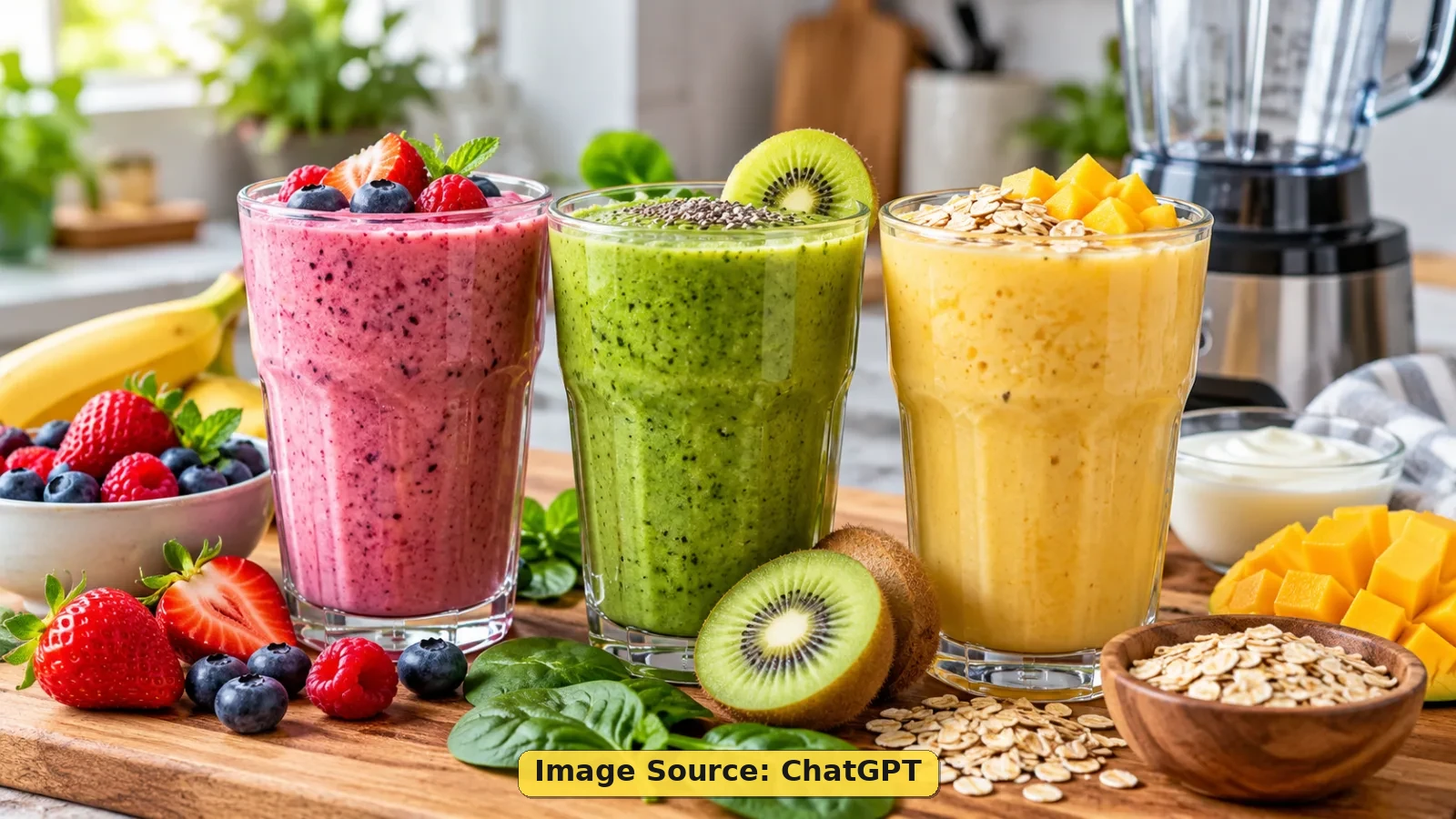
A good smoothie should do more than look colorful in a glass. It should taste fresh, fit your daily routine, and leave you feeling satisfied rather than searching for another snack half an hour later. That is where homemade diet smoothies have an advantage: you decide exactly what goes into the blender, how much you make, and whether the result is a light snack or a substantial breakfast.
You do not need expensive powders, imported berries, or a complicated meal plan. Bananas, seasonal fruit, plain yogurt, spinach, oats, seeds, and ordinary milk can become genuinely useful combinations. The secret is balance. Fruit contributes flavor and nutrients, protein adds staying power, fiber contributes fullness, and enough liquid brings everything together without turning your drink into flavored water.
Here are six recipes you can adapt to your taste, budget, and needs.
What Makes a Smoothie Suitable for a Healthy Diet?
The word “diet” does not automatically make a smoothie low in calories. Several bananas, sweetened yogurt, fruit juice, honey, and generous spoonfuls of nut butter can turn a snack into a meal-sized drink.
Think about what your smoothie needs to do. A snack should bridge the gap between meals. Breakfast should include protein, carbohydrates, and other nutrients. Either fits best within an overall balanced eating pattern.
Smoothies retain much of the fiber of whole fruit when the edible flesh is blended rather than juiced. Still, chewing whole fruit can be more satisfying for some people, so smoothies should complement—not automatically replace—whole fruits and vegetables.
The Simple Five-Part Smoothie Formula
Use this flexible formula to combine ingredients with purpose.
1. Start with a liquid. Use about ½ to ¾ cup of cold water, unsweetened milk, or unsweetened fortified soy milk. Plain milk also contributes protein. Begin with less; you can always add more.
2. Add one portion of fruit. Try ½ to 1 cup of chopped berries, papaya, mango, apple, or pineapple, or half a medium banana. Choose ripe fruit for natural sweetness. Frozen fruit creates a thicker, colder result.
3. Include a protein-rich ingredient. Plain Greek yogurt, strained curd, regular plain yogurt, silken tofu, or milk can help make a drink more substantial. Protein content varies; Greek yogurt and fortified soy milk are useful options when you want more.
4. Add fiber or a little healthy fat. One tablespoon of chia seeds or ground flaxseed, two tablespoons of oats, or a small spoonful of unsweetened nut butter can change the texture and make the blend more satisfying. These ingredients also contribute calories, so measure them rather than pouring freely.
5. Finish with optional vegetables and flavor. A handful of spinach, cucumber, cinnamon, mint, unsweetened cocoa, or a little fresh ginger adds variety. Start small, then adjust according to your taste.
Adjust these ratios for a snack, breakfast, or drink alongside another food.
How to Make a Diet Smoothie: Step-by-Step
Use this sequence for a smoother blend and less cleanup.
Step 1: Wash and prepare everything. Rinse fruit and vegetables under running water. Remove unsuitable peels, pits, stems, and seeds. Chop firm produce into small pieces, particularly if your blender is not powerful.
Step 2: Pour in the liquid first. Liquid around the blades helps the blender move ingredients efficiently. Then add yogurt, soft fruit, and greens. Put frozen fruit or ice on top.
Step 3: Blend in short stages. Start slowly and increase speed. Blend for roughly 30–60 seconds, depending on your machine. Switch it off before scraping the sides.
Step 4: Check the consistency. If the smoothie is too thick, add water or milk one tablespoon at a time. If it is too thin, add a few pieces of frozen fruit or a spoonful of yogurt rather than extra sugar.
Step 5: Taste before sweetening. Ripe banana, mango, or berries may provide enough sweetness. Cinnamon, vanilla, and lemon can brighten the flavor without relying on syrup or honey.
Step 6: Pour a sensible serving. A smaller glass can be plenty for a snack. If you make extra, refrigerate the remainder promptly.
Six Easy Homemade Diet Smoothie Recipes
Each recipe below makes approximately one generous serving, although final volume varies with fruit size and liquid. Adjust quantities to suit your appetite and nutritional requirements. None requires added sugar.
1. Berry and Oat Breakfast Smoothie
Ingredients: ¾ cup fresh or frozen mixed berries; ½ cup plain Greek yogurt; 2 tablespoons rolled oats; ½ cup unsweetened milk or water; ¼ teaspoon cinnamon; a few ice cubes if needed.
Method: Add the milk, yogurt, oats, berries, and cinnamon to the blender. Blend until the oats disappear into the mixture. Let it stand for a minute if you prefer a slightly thicker texture.
Why it works: Berries taste bright and tart, yogurt provides creaminess and protein, and oats add body. Frozen berries let you use only what you need.
Make it yours: Prefer a sweeter flavor? Add a small slice of ripe banana. For a dairy-free version, use plain soy yogurt and fortified unsweetened soy milk.
2. Green Apple, Spinach, and Banana Smoothie
Ingredients: ½ small apple, cored; ½ medium banana; 1 packed handful of baby spinach; ½ cup plain yogurt; ⅓ to ½ cup cold water; 1 teaspoon ground flaxseed; a squeeze of lemon.
Method: Blend water and spinach first to break down the leaves. Add the apple, banana, yogurt, flaxseed, and lemon, then blend until creamy. Keep the apple skin if you enjoy the texture and have washed it well.
Why it works: Banana balances the tart apple and mild spinach, while fruit, greens, and flaxseed add fiber. It is a gentle introduction to green smoothies.
Make it yours: Substitute a small pear for the apple, or use mint instead of lemon for a cooler finish.
3. Mango, Ginger, and Curd Smoothie
Ingredients: ¾ cup chopped ripe mango; ½ cup plain unsweetened curd or yogurt; ⅓ cup chilled water; 1 tablespoon rolled oats; a small piece of peeled ginger; optional pinch of cardamom.
Method: Blend the curd and water first. Add mango, oats, ginger, and cardamom, then blend until thick and silky. Use less ginger initially; its flavor becomes noticeably stronger after blending.
Why it works: Mango brings natural sweetness, curd adds tang and some protein, and oats give the drink body. It is ideal during mango season.
Make it yours: Use frozen mango to replace ice. For a lighter snack, reduce the mango portion slightly rather than diluting the drink until it loses its character.
4. Peanut Butter, Banana, and Cocoa Smoothie
Ingredients: ½ medium banana; ¾ cup plain milk or unsweetened soy milk; 1 tablespoon unsweetened peanut butter; 1 teaspoon unsweetened cocoa powder; 1 tablespoon oats; ice as desired.
Method: Put the milk in the blender, followed by banana, peanut butter, cocoa, and oats. Blend until smooth and frothy. Add a splash of liquid if it becomes too thick.
Why it works: Banana and cocoa taste like a treat, while milk and peanut butter contribute protein. Measure the energy-dense peanut butter.
Make it yours: Add a pinch of cinnamon or use almond butter if appropriate. Avoid this recipe if you have a peanut allergy; a seed-based alternative may work if it is safe for you.
5. Pineapple, Cucumber, and Mint Smoothie
Ingredients: ½ cup chopped pineapple; ½ cup peeled cucumber; ½ cup plain Greek yogurt; ¼ to ½ cup cold water; 4–5 mint leaves; a squeeze of lime.
Method: Blend water, cucumber, mint, and yogurt first. Add pineapple and lime, then blend until the drink looks evenly mixed. Serve chilled.
Why it works: Cucumber and mint are refreshing, pineapple adds sweet-tart flavor, and yogurt gives the drink a more satisfying texture.
Make it yours: Try orange segments in place of pineapple, removing any seeds. If the pineapple is especially tart, use ripe fruit next time rather than reaching immediately for sugar.
6. Papaya, Cinnamon, and Flaxseed Smoothie
Ingredients: ¾ cup ripe papaya cubes; ½ cup plain yogurt; ⅓ cup water or unsweetened milk; 1 tablespoon ground flaxseed; a pinch of cinnamon; optional squeeze of lime.
Method: Add the liquid and yogurt, then papaya, flaxseed, and cinnamon. Blend until creamy. Taste and finish with lime if the papaya is very sweet.
Why it works: Soft papaya blends easily, flaxseed adds fiber, and cinnamon rounds out the flavor. No specialty fruit is required.
Make it yours: Replace half the papaya with a few pieces of mango when both are in season, or use fortified soy yogurt for a dairy-free variation.
How to Make Smoothies More Filling Without Making Them Heavy
If a breakfast smoothie leaves you hungry quickly, it may contain too little protein or overall energy. Fruit and water alone are not always enough for a meal.
For breakfast, consider a protein source such as Greek yogurt, milk, or soy milk, plus a modest amount of oats or seeds. If you are still hungry, pair the smoothie with something chewable, such as whole-grain toast or a boiled egg, depending on your preferences. There is no rule that an entire breakfast must fit inside a glass.
For a mid-afternoon snack, keep the recipe simpler and the portion smaller. The goal is not to make every smoothie as low-calorie as possible; it is to make its size and ingredients match the role it plays in your day.
Seven Mistakes That Can Turn a Healthy Smoothie Into an Unbalanced Drink
Adding too many sweet extras. Fruit juice, flavored yogurt, syrups, and honey can quickly change the nutritional profile. Start with plain ingredients and ripe fruit before adding any sweetener.
Using fruit but forgetting protein. A fruit-only smoothie may not be satisfying enough for breakfast. Include a suitable protein source when using it as a meal component.
Treating nuts and seeds as unlimited. These foods are nutritious, but their calories count. Measure small amounts and use them purposefully.
Making enormous portions. A large blender jar does not define a single serving. Decide what you need before combining everything.
Replacing every meal with smoothies. You would miss out on chewing, variety, and many satisfying foods. Smoothies are one tool, not a complete eating plan.
Believing “detox” or belly-fat claims. No smoothie specifically melts abdominal fat or cleanses the body. Sustainable weight management depends on overall habits, not one secret ingredient.
Ignoring your own digestion. Suddenly adding large amounts of chia, flax, raw greens, or fruit can cause discomfort for some people. Begin with small portions and increase gradually.
Budget-Friendly Shopping and Weekly Preparation
Buy seasonal fruit and freeze ripe pieces before they spoil. Banana slices, mango cubes, and berries freeze well in small portions.
Keep oats, cinnamon, and one type of seed instead of buying every superfood. Plain curd often works instead of pricier yogurt, although protein levels differ.
For faster mornings, freeze individual portions of prepared fruit and vegetables. Keep dairy chilled separately, then blend with liquid when needed.
How to Store a Homemade Smoothie Safely
Smoothies taste best fresh. Apple and banana may darken over time, but appearance alone cannot confirm freshness.
If making one ahead, pour it into a clean, covered container and refrigerate it promptly at 4°C (40°F) or colder. Aim to drink it within 24 hours, especially when it contains dairy or cut fruit. Do not leave a perishable smoothie sitting at room temperature for extended periods; discard it after more than two hours, or one hour in very hot conditions.
Separation is normal; stir before drinking. Discard anything spoiled. You can freeze leftovers, although thawing changes the texture.
Adjust Smoothies to Your Personal Needs
For weight management: Focus on a sensible serving size, whole fruit instead of juice, adequate protein, and measured additions. Whether a smoothie helps depends on your overall eating pattern, not the label on the recipe.
For a dairy-free diet: Use unsweetened fortified soy milk or another appropriate alternative and a dairy-free yogurt. Compare labels because protein content differs considerably between products.
For people managing blood sugar: Whole fruit is not sugar-free, and blended fruit still contributes carbohydrates. Smaller fruit portions paired with protein and fiber may be useful, but personalized guidance matters if you have diabetes or take glucose-lowering medicines.
For children or anyone with medical dietary restrictions: Avoid ingredients that trigger allergies, adapt portions to age and needs, and seek individualized advice when there are swallowing concerns, kidney restrictions, or other health conditions.
Frequently Asked Questions
Can I drink a diet smoothie every day?
Yes, as part of a varied diet. Rotate ingredients and continue enjoying whole fruits, vegetables, and regular meals.
Is a smoothie better with milk or water?
Water keeps the flavor light and adds no calories. Milk gives a creamier texture and contributes protein and other nutrients; fortified soy milk may offer similar advantages. Choose according to the recipe, your preferences, and your nutritional needs.
Do I need protein powder to make a healthy smoothie?
No. Plain Greek yogurt, milk, soy milk, tofu, or other familiar foods can supply protein. A powder can be convenient for some people, but it is not essential for homemade smoothies or weight management.
When is the best time to drink a smoothie?
There is no universally best time. Breakfast, after activity, or snack time can all work when ingredients and portions fit your needs.
Final Thoughts
The best homemade diet smoothie is not necessarily the greenest, the lowest in calories, or the one with the longest ingredient list. It is the one that tastes good, provides useful nourishment, and fits naturally into your everyday meals. Begin with fruit, a suitable protein source, and enough liquid; add vegetables, oats, or seeds where they improve the balance. Start with one of the six recipes, make small adjustments, and let your appetite and preferences guide what stays in your routine.